

CJC-1295 + Ipamorelin + GHRP-2 Blend
CAS: 446262-90-4 / 170851-70-4 / 158861-67-7
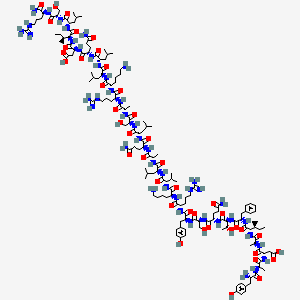
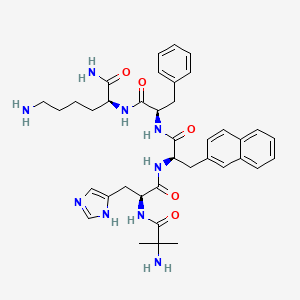
CJC-1295 + Ipamorelin + GHRP-2 Blend is a laboratory-grade triple-peptide research formulation combining CJC-1295 (CAS 446262-90-4), Ipamorelin (CAS 170851-70-4), and GHRP-2 (CAS 158861-67-7). Produced using Solid-Phase Peptide Synthesis (SPPS) and validated through HPLC, Mass Spectrometry, and UV spectrophotometry, this lyophilized peptide blend delivers ≥99% purity and reliable performance for advanced endocrine signaling and receptor interaction research.
$345.00
Research Use Only
Triple-Peptide Research Compound Overview
The CJC-1295 + Ipamorelin + GHRP-2 Blend is a multi-component synthetic peptide formulation developed exclusively for laboratory and in-vitro scientific investigation.
By combining three structurally defined research peptides within a single controlled formulation, the blend enables coordinated pathway analysis in advanced biochemical experiments.
European research institutions frequently employ peptide blends when studying complex molecular signalling networks that require simultaneous peptide-driven inputs.
Scientific Rationale for Multi-Peptide Blends
Modern biochemical research increasingly relies on peptide-based systems to examine complex cellular signalling behaviour.
Multi-peptide blends allow scientists to observe how several signalling pathways interact within a controlled biological model.
The CJC-1295 + Ipamorelin + GHRP-2 Blend supports experimental designs focused on coordinated receptor activation, pathway modulation, and metabolic response observation.
This approach helps laboratories streamline experimental protocols while maintaining high analytical precision.
Mechanistic Research Perspective
- Investigation of intracellular signaling pathway modulation
- Analysis of receptor-mediated peptide interaction mechanisms
- Evaluation of growth factor responsiveness in cellular systems
- Gene transcription and molecular regulation research
- Integration into mitochondrial ATP production and metabolic pathway studies
Primary Research Applications
Cell Biology and Regenerative Models: Used in controlled cellular models to study signalling behaviour, adaptive responses, and peptide-driven molecular communication.
Protein and Receptor Interaction Studies: Applied in receptor-binding assays and protein interaction experiments to analyse binding kinetics and pathway activation.
Metabolic and Mitochondrial Research: Supports laboratory investigations into cellular energy regulation, mitochondrial activity, and metabolic signalling pathways.
Enzymatic and Matrix Studies: Suitable for enzymatic sensitivity experiments and extracellular matrix modelling due to predictable molecular stability.
Molecular Characteristics
- Molecular Type: Triple synthetic peptide research blend
- Structure: Linear synthetic peptides
- CAS Identifiers: 446262-90-4 (CJC-1295), 170851-70-4 (Ipamorelin), 158861-67-7 (GHRP-2)
- Form: Lyophilized powder blend
- Molecular Weight: Sequence-dependent
- Stability: High when stored under recommended laboratory conditions
Stability Profile and Storage Recommendations
- Supplied as a lyophilized peptide blend for long-term stability
- Recommended storage temperature: −20°C
- Protect from humidity and direct light exposure
- Avoid repeated freeze–thaw cycles
- Reconstituted solutions remain stable for approximately 24–48 hours under refrigeration
Solubility and Reconstitution Options
- Bacteriostatic water
- Sterile saline solutions
- Buffered aqueous solutions
- Acidic buffer systems
- Analytical-grade organic solvents
Technical Specifications
product Name
CJC-1295 + Ipamorelin + GHRP-2 Blend
brand
Biopeptides
cas
446262-90-4 / 170851-70-4 / 158861-67-7
purity
≥99% (HPLC verified)
unit Size
Blend vial
form
Lyophilized powder
synthesis
Solid-Phase Peptide Synthesis (SPPS)
analytical
HPLC, Mass Spectrometry, UV Spectrophotometry
molecular Structure
Linear synthetic peptide blend
stability
High when stored appropriately
Quality Control and Analytical Validation
- High-Performance Liquid Chromatography (HPLC) purity verification
- Mass Spectrometry molecular identity confirmation
- UV spectrophotometric concentration analysis
- Batch-to-batch consistency validation
- Endotoxin and microbial contamination screening
Regulatory Status and Intended Use
The CJC-1295 + Ipamorelin + GHRP-2 Blend is supplied strictly for laboratory research use only. It is not approved as a drug, food, cosmetic, dietary supplement, or medical product for human or veterinary use. Certificates of Analysis (COA) and Material Safety Data Sheets (MSDS) are available upon request to support compliance with European research standards.
Frequently Asked Questions
A three-peptide blend allows researchers to evaluate combined molecular interactions within a single experimental system. This approach supports more complex signalling and receptor studies while reducing variability compared to testing each peptide independently.
CAS numbers ensure precise chemical identification and traceability. They support reproducibility, regulatory documentation, and confidence in experimental design, particularly for laboratories operating under strict European compliance frameworks.
Yes. The product is manufactured and documented to meet the expectations of EU-based laboratories, offering high purity, analytical verification, and full transparency for research use across Europe.
Each batch is synthesised using controlled SPPS methods and verified through HPLC, MS, and UV analysis, ensuring consistent structure, purity, and performance across multiple research applications.
The lyophilised blend should be stored at −20°C and protected from moisture and light. These conditions preserve molecular integrity and ensure reliable results during long-term research use.
Yes. Biopeptides supplies this research peptide blend online to qualified customers, providing secure ordering, detailed documentation, and reliable delivery across European countries.
No. This peptide blend is supplied strictly for laboratory research and scientific investigation and is not approved for human consumption, medical treatment, or cosmetic application.