
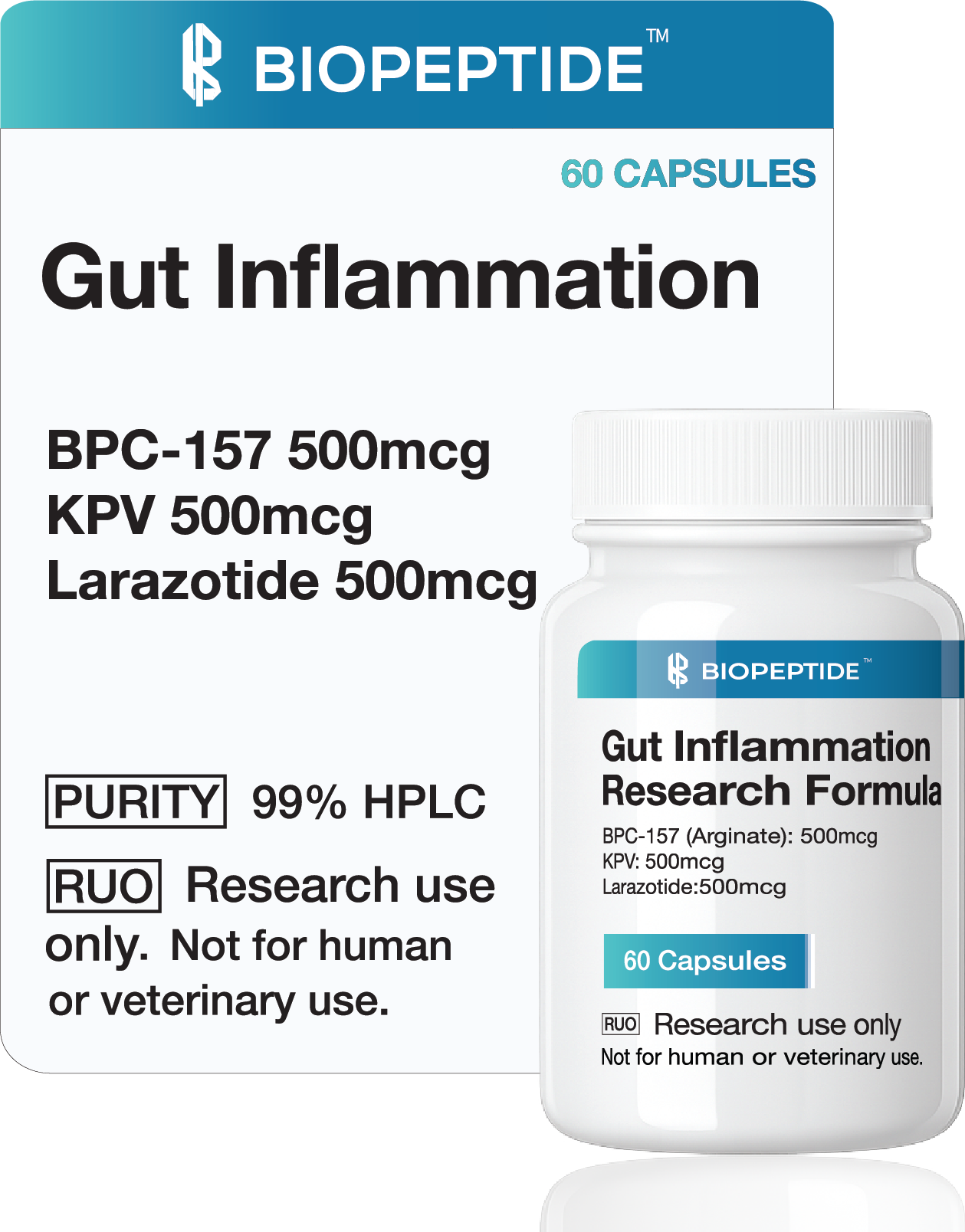
Gut Inflammation (60 Capsules) (Stable BPC-157 Arginate, KPV, Larazotide)
CAS: Multiple Peptide Components
This research capsule formulation combines stabilized BPC-157 Arginate, the anti-inflammatory tripeptide KPV (Lys-Pro-Val), and Larazotide, a peptide studied for epithelial tight-junction signaling. Together these compounds are investigated in laboratory models focused on gastrointestinal barrier integrity, inflammatory pathway regulation, and mucosal signaling behavior.
$295.00
Research Use Only
Research Overview
This capsule formulation combines three peptides frequently studied in gastrointestinal research: BPC-157 Arginate, KPV, and Larazotide.
The formulation is designed for laboratory models investigating epithelial barrier integrity, intestinal inflammation signaling, and peptide stability in gastrointestinal environments.
BPC-157 Arginate is studied for its potential role in cellular signaling related to tissue integrity and repair pathways.
KPV is derived from α-melanocyte-stimulating hormone (α-MSH) and is investigated for anti-inflammatory signaling activity.
Larazotide is commonly used in research examining tight-junction signaling and epithelial permeability mechanisms.
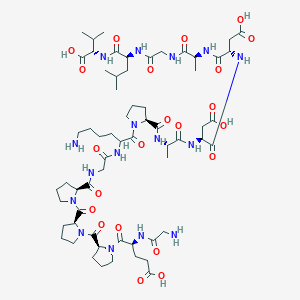
Scientific Background
The gastrointestinal barrier is regulated by complex epithelial signaling pathways that control permeability and immune responses.
Disruption of epithelial tight junctions is associated with inflammatory signaling processes studied in gut biology research.
Peptides such as BPC-157, KPV, and Larazotide are used in laboratory research to investigate mucosal repair signaling, inflammatory mediator modulation, and epithelial barrier regulation.
Combining these peptides in a capsule formulation allows researchers to explore multi-pathway interactions affecting intestinal signaling networks.
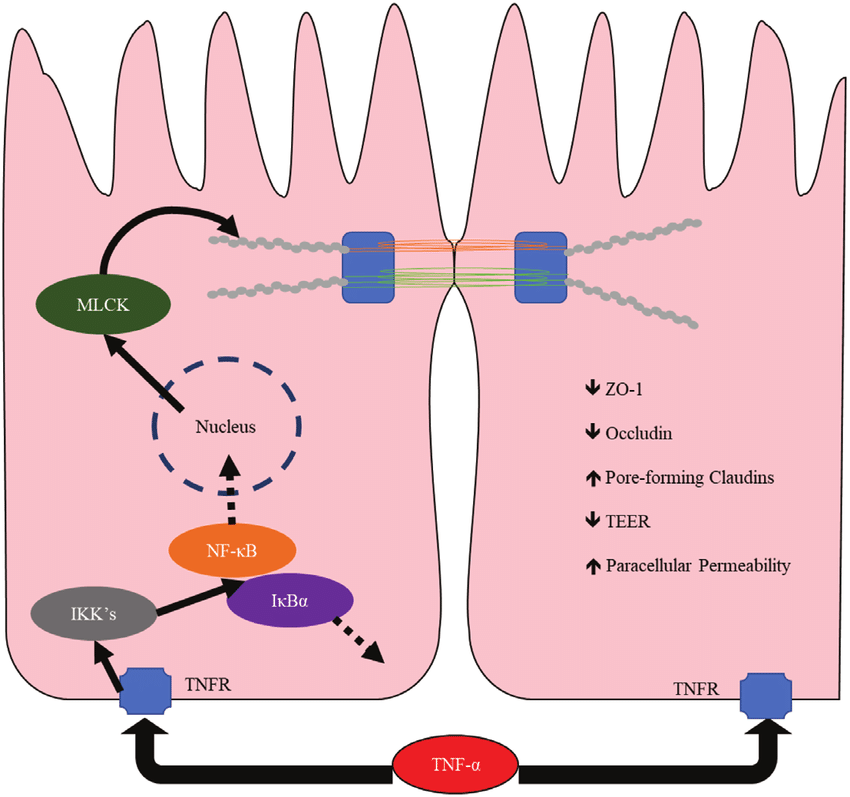
Mechanistic Research Perspective
- Intestinal epithelial barrier signaling studies
- Tight-junction protein pathway investigation
- Inflammation-related peptide signaling research
- Gastrointestinal mucosal integrity analysis
- Multi-peptide signaling interaction modeling
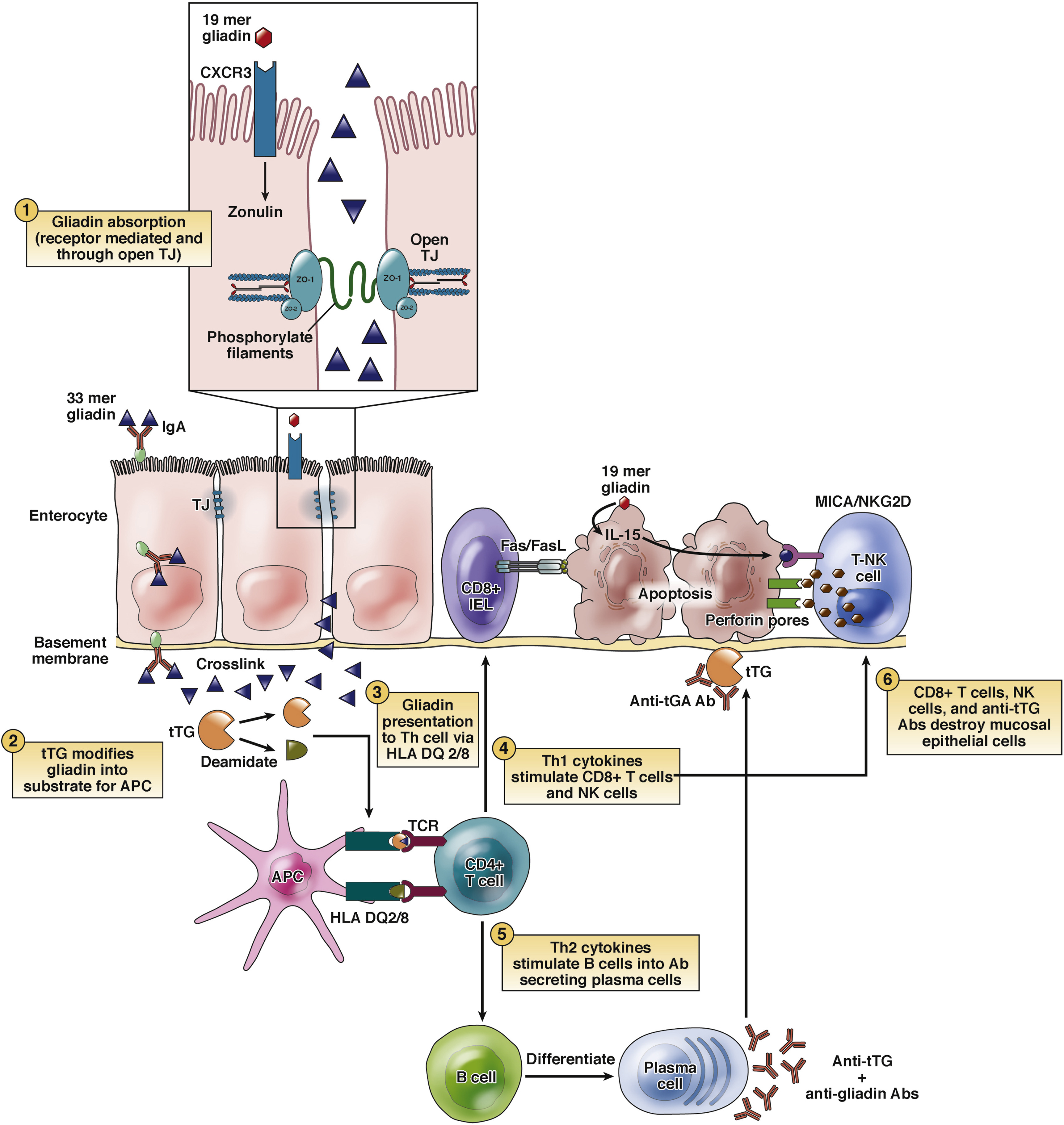
Primary Research Applications
Gastrointestinal Barrier Research: Researchers investigate epithelial integrity and barrier permeability signaling using multi-peptide research models.
Inflammation Signaling Pathway Studies: KPV and BPC-157 are used in laboratory models examining cytokine signaling and inflammatory pathway regulation.
Tight Junction Regulation Research: Larazotide is studied for its role in tight-junction signaling and epithelial permeability mechanisms.
Mucosal Integrity Research: Scientists investigate signaling pathways related to gastrointestinal mucosal stability and epithelial repair responses.
Peptide Stability & Delivery Research: The encapsulated format enables studies exploring peptide stability and delivery behavior in gastrointestinal research models.
Molecular Characteristics
- Peptide Blend: BPC-157 Arginate, KPV, Larazotide
- Formulation Type: Multi-peptide capsule research material
- Format: 60 research capsules
- Purity: Analytical laboratory-grade peptide material
- Form: Encapsulated peptide formulation
Stability Profile and Storage Recommendations
- Store capsules in a cool, dry environment
- Protect from direct light and moisture
- Avoid excessive heat exposure
- Keep sealed in laboratory storage container
- Handle under controlled laboratory conditions
Solubility and Handling Considerations
- Capsule formulation designed for controlled laboratory handling
- Peptide extraction for analysis can be performed using laboratory solvents
- Compatible with biochemical assay systems
- Suitable for peptide stability and degradation studies
Technical Specifications
product Name
Gut Inflammation Peptide Capsule Blend
brand
BioPeptides
formulation
BPC-157 Arginate + KPV + Larazotide
capsule Count
60 capsules
form
Encapsulated peptide research formulation
synthesis
Solid-Phase Peptide Synthesis (SPPS)
analytical
HPLC verification and analytical testing
stability
Stable when stored in cool, dry conditions
Analytical Validation and Quality Assurance
- Peptide synthesis verification
- Analytical purity testing
- Structural confirmation using advanced analytical methods
- Batch-to-batch consistency evaluation
- Quality assurance for laboratory research materials
Regulatory and Compliance Statement
This peptide capsule formulation supplied by BioPeptides is intended strictly for laboratory and scientific research use only. It is not approved for human consumption, veterinary use, therapeutic treatment, or dietary supplementation. Buyers must ensure compliance with applicable research regulations and institutional policies.
Frequently Asked Questions
The formulation is used in laboratory research investigating intestinal barrier signaling, inflammatory pathway modulation, and gastrointestinal epithelial integrity.
The formulation contains BPC-157 Arginate, KPV (Lys-Pro-Val), and Larazotide — peptides commonly studied in gastrointestinal and inflammation signaling research.
Combining peptides allows researchers to study interactions between different signaling pathways involved in epithelial integrity, inflammation regulation, and intestinal barrier function.
KPV is a tripeptide derived from α-MSH that is frequently studied for anti-inflammatory signaling and immune pathway regulation.
Larazotide is studied for its effects on epithelial tight junction signaling and intestinal permeability research models.
The arginate salt form is studied for improved peptide stability and experimental handling in gastrointestinal research models.
Capsules should be stored in a cool, dry environment away from moisture and direct light to maintain peptide stability.
No. This formulation is strictly for laboratory research use only and is not approved for human or veterinary consumption.