
TB-500 (Thymosin Beta-4 Fragment) 2mg × 10 Vial Kit
CAS: 77591-33-4
TB-500 (Thymosin Beta-4 fragment) is a synthetic research peptide developed for advanced laboratory investigations involving cell migration, cytoskeletal dynamics, and regenerative signaling pathways. Supplied as a 2mg × 10 vial research kit, this peptide supports extended experimental programs examining actin-binding mechanisms and tissue-level cellular communication.
$295.00
Research Use Only
Research Overview
TB-500 is a synthetic analog of the naturally occurring peptide Thymosin Beta-4, studied in laboratory research focused on cellular movement and structural protein organization.
The peptide is associated with actin-binding activity, which influences cytoskeletal dynamics and intracellular signaling networks.
Researchers explore TB-500 in experimental models investigating cellular migration, regenerative signaling pathways, and tissue-level communication systems.
The multi-vial kit format allows laboratories to conduct extended experimental programs with consistent peptide material.
Scientific Background
Thymosin Beta-4 is a naturally occurring peptide found in many biological tissues and is associated with actin-binding and cellular movement processes.
TB-500 represents a synthetic research analog designed for laboratory investigations into cytoskeletal organization and regenerative signaling pathways.
Studies frequently examine how TB-500 interacts with actin dynamics and cellular structural proteins.
These experimental investigations contribute to broader research areas including regenerative biology, tissue signaling systems, and molecular communication pathways.
Mechanistic Research Perspective
- Cell migration signaling studies
- Actin binding and cytoskeletal remodeling research
- Regenerative signaling pathway investigation
- Angiogenesis-related cellular signaling models
- Peptide-mediated tissue communication pathways
Primary Research Applications
Cell Migration & Motility Research: Used in laboratory models examining cellular movement and peptide-mediated migration signaling.
Cytoskeletal Dynamics Studies: Supports research investigating actin binding and structural protein organization within cells.
Tissue Repair Signaling Research: Applied in experimental systems examining regenerative signaling mechanisms.
Angiogenesis Pathway Research: Used in non-clinical research examining vascular signaling and endothelial cell responses.
Comparative Regenerative Peptide Studies: Allows comparison between TB-500, BPC-157, and other regenerative research peptides.
Molecular Characteristics
- Compound Name: TB-500 (Thymosin Beta-4 fragment)
- CAS Number: 77591-33-4
- Peptide Class: Regenerative research peptide
- Form: Lyophilized powder
- Strength: 2 mg per vial
- Total Quantity: 20 mg (10 vials)
Stability Profile and Storage Recommendations
- Store lyophilized peptide at −20°C
- Protect from light and moisture
- Avoid repeated freeze–thaw cycles
- Use sterile laboratory techniques when handling
- Maintain cold storage to preserve peptide stability
Handling and Research Preparation Considerations
- Typically reconstituted with sterile laboratory-grade solvent
- Suitable for in-vitro experimental research protocols
- Supports multi-phase experimental research programs
- Applicable in regenerative signaling and cytoskeletal studies
- Designed for reproducible laboratory experimentation
Technical Specifications
product Name
TB-500 (Thymosin Beta-4) 2mg × 10 Vial Kit
brand
BioPeptides
purity
Research-grade analytical quality
form
Lyophilized peptide powder
synthesis
Solid-phase peptide synthesis (SPPS)
analytical
Identity and purity verification
molecular Structure
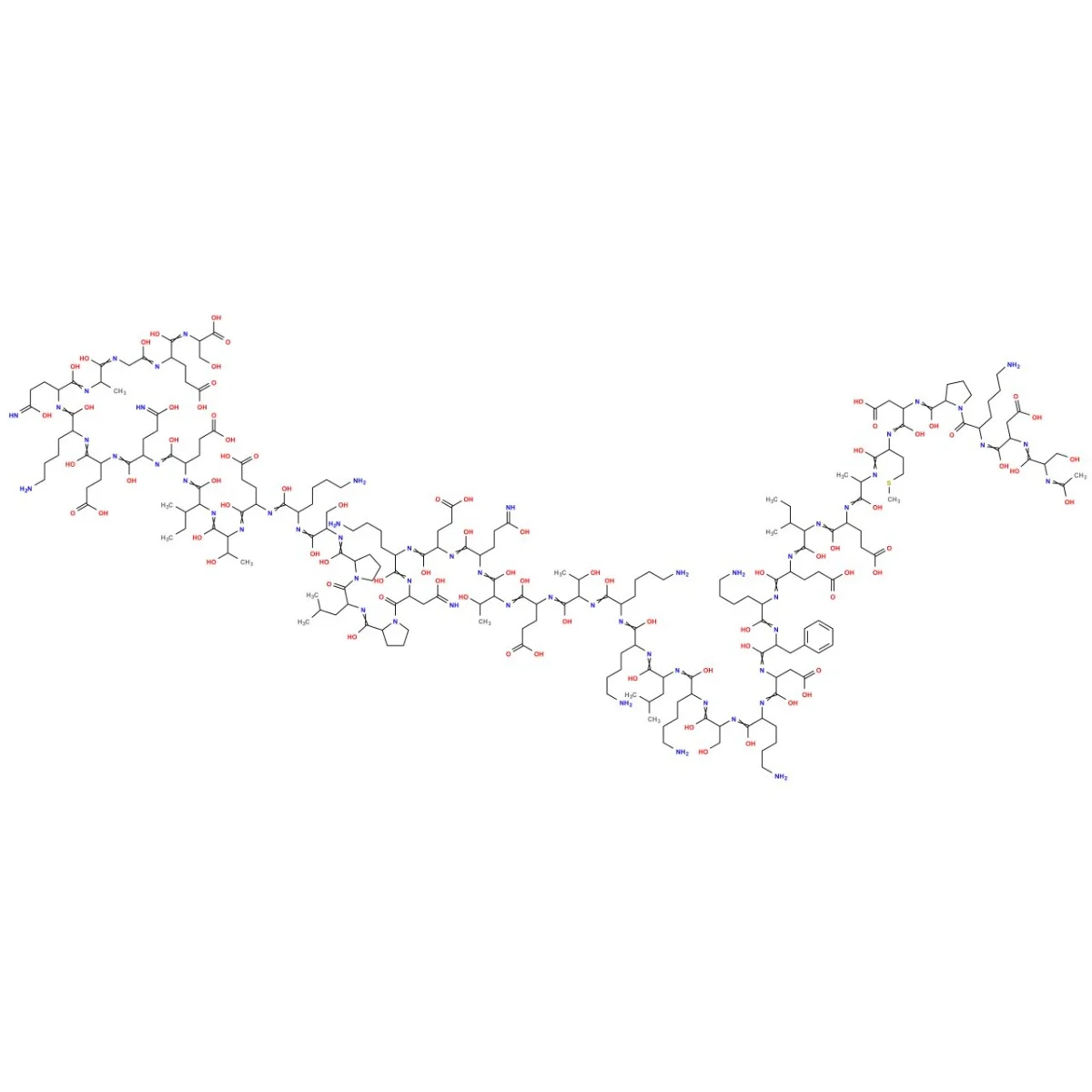
Synthetic peptide fragment
stability
Stable when stored under recommended conditions
Analytical Validation and Quality Assurance
- Molecular identity confirmation
- Purity and stability testing
- Structural integrity verification
- Batch-to-batch consistency analysis
- Analytical quality control inspection
Regulatory and Compliance Statement
TB-500 supplied by BioPeptides is intended strictly for laboratory research use only. It is not approved for human consumption, veterinary use, therapeutic application, or medical treatment.
Frequently Asked Questions
TB-500 is used in laboratory research to study cell migration, cytoskeletal dynamics, regenerative signaling pathways, and tissue-level communication mechanisms.
CAS 77591-33-4 uniquely identifies TB-500 (Thymosin Beta-4), ensuring accurate chemical documentation and traceability.
The 2mg × 10 vial format supports extended research programs, consistent experimental replication, and flexible laboratory study design.
Yes. TB-500 is widely studied in controlled laboratory experiments examining cytoskeletal organization and regenerative signaling.
TB-500 is studied in regenerative biology, molecular biology, tissue engineering research, and cell migration studies.
It should be stored at −20°C, protected from light and moisture.